 English
  Español de México
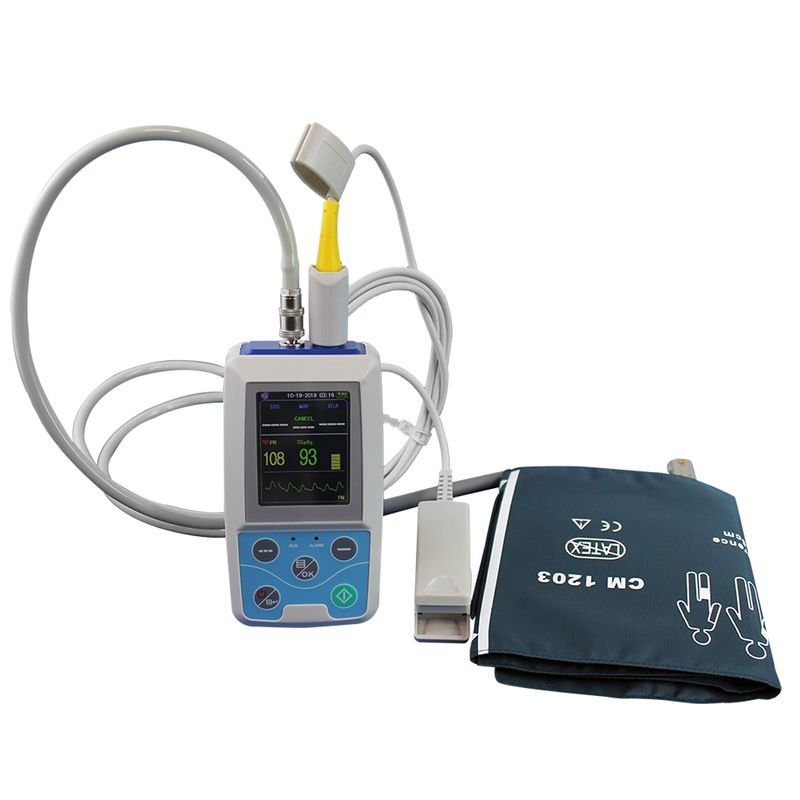

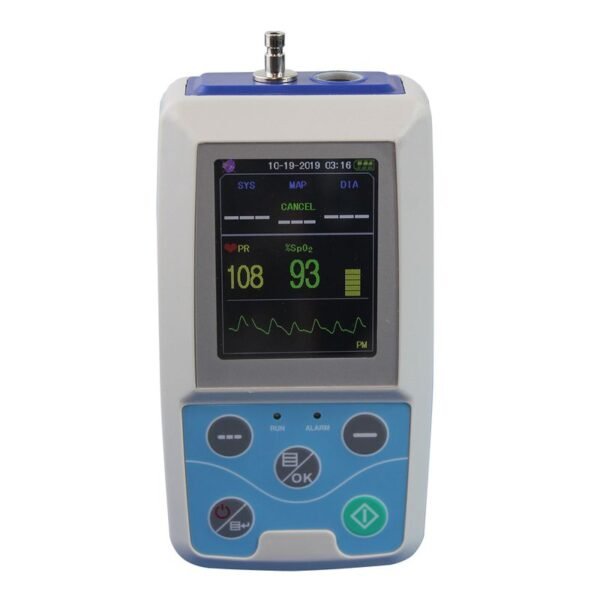
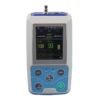
MAPA Ambulatory Blood Pressure Monitor
- 2.4” TFT-LCD color screen
- Long-term monitoring for NIBP and SpO2
- Massive storage for NIBP and SpO2 data, check the list menu, review the measurement results.
- Low battery indicator, alarm information, error information, and time.
- Measurement intervals for AUTO mode: 5, 10, 15, 20, 30, 45, 60, 90 and 120 minutes.
- Dimensions: 128mm(L) x 69mm(W) x 36mm(H)
- Case management function, communication with the PC, to perform functions such as data review, results analysis, trend chart observation, report printing, etc.


100% online, without paperwork or monthly fees
Questions? Check our FAQ . Credit subject to approval.

Additional information
Additional information
| Brand |
|---|
Shipping
Shipping

- Once your payment is approved, we'll prepare your order and you'll receive a tracking number so you can track it.
- Shipping is free to anywhere in Mexico on purchases over $999.
- Delivery time can be up to 24 business hours if you live in Torreón, Coahuila, and if your zip code is within our 24-hour coverage.
- If you live outside of Torreón, Coahuila, delivery time will depend on your zip code and can be estimated at 2 to 5 business days.
- If your postal code is in an extended area, we will notify you of the delivery time via email or WhatsApp.
Remember that we also offer cash on delivery.
Description

MAPA Ambulatory Blood Pressure Monitor
Description
Ambulatory Blood Pressure Monitoring (ABPM) is when your blood pressure is measured while you go about your normal daily life. The monitoring lasts 24 hours. It uses a small digital blood pressure monitor attached to a belt around your body and connected to a cuff around your upper arm; it's so small you can sleep with it on.
It is a very effective study that offers a view of blood pressure, highlighting the heart rate of blood pressure. Blood pressure does not behave in the same way throughout the day, also highlighting the error of blood pressure measurement in medical offices, since often the values tend to be higher (the "white coat" phenomenon).
Ambulatory blood pressure monitoring (ABPM), once primarily used in pharmacological research with limited clinical application, has become an invaluable tool in daily practice, as blood pressure measurement guides the management and treatment of hypertensive patients. Given the wide range of criteria used in evaluating and interpreting ABPM results, a current understanding of its use in clinical practice is essential. Normal blood pressure values determined through ABPM differ from those obtained through spot measurements, whether taken in a doctor's office or at home, and also from measurements taken during activity or sleep.
24-hour ambulatory blood pressure monitoring (ABPM) should be complemented with home blood pressure monitoring. It is recommended that this be done with a [missing information - likely a device or device]. blood pressure monitor Digital Certificate.
“Good” and “bad” high blood pressure:
Multiple studies have revealed a close relationship between measurements made with ABPM and the damage that high blood pressure produces in the human body; this damage consists of deterioration of heart function, kidney function, and brain function.
This risk correlation is directly related to the behavior of blood pressure during the night; this change in blood pressure during the night allows hypertensive patients to be classified into 2 groups:
1) “Good” arterial hypertension “dipper” pattern:
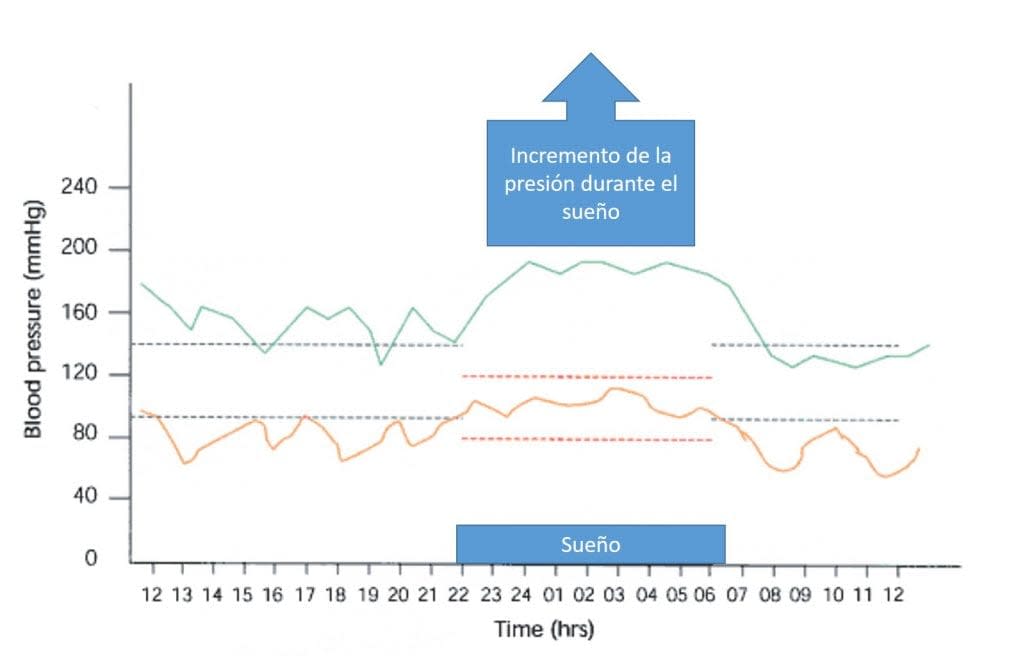
Under normal conditions, blood pressure should be lower at night. Patients who experience a significant drop in blood pressure during the night are known as nocturnal dippers or "dippers."
These patients have a better prognosis and a lower risk of suffering cardiovascular, brain, and kidney complications.
Unfortunately, this cannot be diagnosed by taking blood pressure at home or in the office, which is why it is essential to perform 24-hour ABPM monitoring.

2) “Bad” arterial hypertension “non-dipper” pattern:
There is a group of hypertensive patients who do not experience an adequate drop in blood pressure during the night. They are known as patients without nocturnal blood pressure dips or "non-dippers."
These patients have a worse prognosis and a higher risk of cardiovascular, brain, and kidney complications. They may even experience a decrease in... FEVI.
Unfortunately, this cannot be diagnosed by taking blood pressure at home or in the office, which is why it is essential to perform 24-hour ABPM monitoring.
Why might I need an Ambulatory Blood Pressure Monitoring (ABPM) study?
By measuring your blood pressure at regular intervals over 24 hours, it is possible to obtain clear pictures of how your blood pressure changes during the day and night.
Currently, ABPM is a method that allows for a more accurate understanding of the correlation between morbidity and mortality than conventional blood pressure measurement.
Medical personnel involved in evaluating and treating hypertensive patients must be familiar with the method, its scope and limitations, in order to use it appropriately for the benefit of patients.
The usefulness of ABPM in the diagnosis and management of arterial hypertension has been well documented; it also allows for the distinction of secondary hypertension.
The results of numerous studies have recommended its use, not only in diagnosis, but also in the monitoring, evaluation and treatment of hypertensive patients.
With the features and advantages of ABPM, the cardiovascular surgeon can monitor and control blood pressure when the patient is at home or at work.
Finally, it allows for giving the necessary instructions for treatment, so that optimal control of blood pressure can be obtained in the patient.
The combination of these methods allows for the proper diagnosis and monitoring of hypertensive patients and facilitates the diagnosis of subtypes of high blood pressure.
We have the best technology when it comes to ambulatory blood pressure monitoring; our ABPM blood pressure monitoring equipment is distributed by the company XIGNAL.
Indications for Ambulatory Blood Pressure Monitoring (ABPM):
- Assess the effectiveness of your medications to ensure they control your blood pressure throughout the day.
- They may want to check if your blood pressure remains high at night. If so, they may need to change or adjust your medication.
- Evaluation of the blood pressure profile ("dipper" or "non-dipper" or circadian pattern reversal or "over-dipper") in patients at high cardiovascular risk.
- To confirm the diagnosis of hypertension in newly diagnosed patients without hypertension affecting other organs.
- To assess the response to treatment in patients with treatment-resistant or suboptimal hypertension, or to see the degree of control within 24 hours.
- Highly variable or episodic arterial hypertension (Suspected white coat hypertension phenomenon).
- Patients in whom episodes consistent with hypotension (low blood pressure) are detected, regardless of whether or not they are taking antihypertensive treatment.
- Medication assessment in hypertensive patients at high cardiovascular risk
- Autonomic dysfunction (the tilt table test is also performed on these patients)
- Suspected/Evaluated Nocturnal Hypertension
- High blood pressure in the elderly patient
- Pregnancy-induced hypertension
- Significant discrepancy between blood pressure readings taken at the doctor's office and at home
- Occasional check-up during treatment
Contraindications for performing this test:
- Suffering from frequent arrhythmias such as atrial fibrillation; therefore, in these cases it is best to use a cardiac arrhythmia monitor.
- Patients with severe physical or cognitive limitations
- Parkinson's disease or any other condition that causes permanent tremor in the patient
- Arm with arteriovenous fistula
- Mental disorders or intolerance to the method
- Performing the test on hospitalized patients is NOT considered useful, as it is not done in the patient's natural environment.
How to prepare for the exam:
- You should come to the doctor's office wearing loose clothing, preferably with loose sleeves.
- The sleeves must not obstruct the placement and proper functioning of the blood pressure cuff.
- To prevent the material from being damaged, for example by water, it should be protected with a cover and placed on a loose belt.
- The patient should carry on with their normal daily life during the test.
- Physical exercise or stressful situations should be avoided so that the measurement is as realistic as possible.
What happens during the Ambulatory Blood Pressure Monitoring (ABPM) study?
- Digital ABPM takes blood pressure by inflating a cuff around the upper arm and then slowly releasing the pressure.
- The machine is small enough to be worn with a belt around the waist while the armband remains on the upper arm.
- Then, the machine takes blood pressure readings at regular intervals throughout the day, every 30 minutes during the day and every 60 minutes at night.
- You will need to keep the monitor on overnight: you can place the machine under your pillow or in your bed while you sleep.
- The test is performed to determine what your normal daily blood pressure is; it is important to continue with your normal routine.
- The only things you should avoid doing during the day are swimming and bathing or showering.
- At the end of the 24 hours, you can remove the machine and the bracelet; by then, the machine will have stored all your readings and they will then be analyzed.
What should I do during 24-hour blood pressure monitoring?
To allow the machine to function properly, it is important to ensure that the tube leading to the machine is not twisted or bent.
Additionally, just before the machine is about to take a reading, it will beep. When this happens, you should:
- Please take a seat, if possible.
- Keep the bracelet at the same level as your heart.
- Keep your arm steady.
- A representative day of the subject's activity (working day) must be performed.
- Avoid intense physical exercise or unusual stressful situations.
- Take your usual medication at the same time.
You will also be asked to take note of your daily activities, so we know what you were doing just before taking the reading, what time you went to bed and woke up, and whether you took any medication.
Some people find the 24-hour ABPM study annoying and uncomfortable: if you feel this way when the readings are taken, talk to your doctor or nurse, as it may affect your reading.
There are no question found.



Rating & Review
There are no reviews yet.